
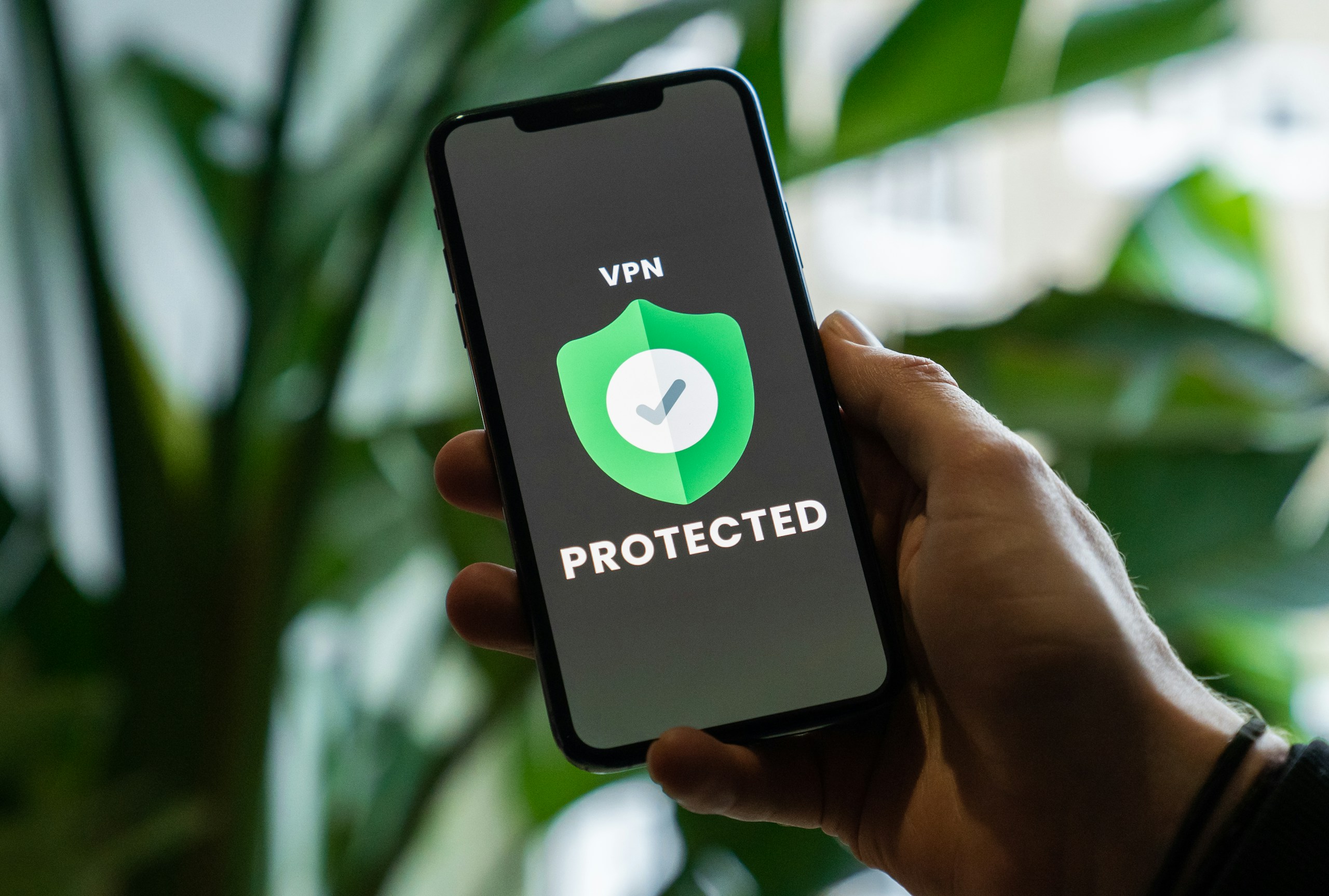
A year ago, I talked about ExpressVPN as a privacy tool that felt necessary. Heading into 2026, it feels less like a “nice to have” and more like basic digital hygiene. The threats have evolved, the tracking has gotten smarter, and ExpressVPN has quietly added a few things that make it feel more complete than it did even a year ago.
This is what’s changed, what still works, and what actually matters now.
The privacy conversation has shifted
We’re not just dealing with sketchy downloads and obvious scams anymore. Everything is faster, more automated, and honestly, more convincing. Between AI-generated phishing, data scraping, and constant background tracking, your digital footprint is bigger than you think.
ExpressVPN still handles the core job the same way – encrypt your traffic, hide your IP, and keep your activity out of reach from ISPs, trackers, and anyone else watching. That foundation hasn’t changed, and that’s a good thing. It still just works.
What has changed is how much more people actually need it.
TrustedServer is still a big deal
This is one of those features that doesn’t get talked about enough because it’s not flashy. ExpressVPN’s TrustedServer tech runs everything on RAM instead of hard drives. Translation – no long-term storage of your data.
Every reboot wipes everything clean. Combine that with their no-logs policy, and you’ve got a setup that’s designed to minimize what can even be collected in the first place.
A lot of companies say they care about privacy. This is one of the few setups that actually backs it up in a meaningful way.
Lightway still holds up
Speed used to be the biggest knock against VPNs. That’s mostly gone now or at least it’s getting much better. ExpressVPN’s Lightway protocol is still the backbone here, and it’s the reason I don’t feel like I have to constantly toggle the VPN on and off anymore. Streaming, gaming, downloading – it all feels stable.
Are raw speeds still slightly faster without a VPN? Yeah. But the gap is small enough now that I (mostly) just leave it on. That wasn’t always the case.
The dedicated IP option – a reason to celebrate and what it actually does
This is one of the bigger updates for 2026, and it’s worth slowing down for a second because this is where ExpressVPN has clearly expanded things.
Traditionally, when you connect to a VPN, you’re sharing an IP address with a bunch of other users on the same server. That’s great for anonymity, but it can create friction. Websites see a lot of traffic coming from one IP and start throwing up flags.
ExpressVPN’s dedicated IP option changes that by assigning you an IP address that’s yours alone. According to their site, it’s still tied to their VPN network – so your traffic is encrypted and protected – but you’re not sharing that address with anyone else.
That combination is what makes it interesting.
Here’s why it actually matters in real-world use:
- More consistency
With a shared VPN, your IP can change frequently depending on the server or load balancing. A dedicated IP gives you the same address every time you connect, which creates a more stable identity online without exposing who you are. - Fewer blocks and interruptions
Because you’re not sharing an IP with thousands of other users, you’re less likely to get flagged by websites. I run into fewer captchas, fewer “suspicious activity” warnings, and far fewer moments where I have to “prove I’m human”. - Smoother access to sensitive services
Banking platforms, work logins, and secure systems tend to be more cautious with shared VPN traffic. A dedicated IP can help reduce those friction points because your activity appears more consistent and predictable. - Still private by design
This is the part I think people get wrong. A dedicated IP doesn’t suddenly mean you’re exposed. ExpressVPN still routes your traffic through its encrypted tunnel and maintains its no-logs approach. The IP is dedicated, but your activity is still shielded.
ExpressVPN also says its dedicated IP doesn’t tie directly to your personal identity or expose your browsing activity. They designed it to give you consistent access while still protecting the privacy that makes a VPN worth using in the first place.
It’s also optional, which is the right call. If you just want maximum anonymity, the shared IP model still does that extremely well. But if you’re someone who’s constantly running into login issues, verification loops, or blocked access, this is a really practical upgrade.
Apps are still simple
ExpressVPN continues to nail the basics here. The apps across Windows, macOS (not tested), iOS (not tested), Android, Linux (not tested), and routers are clean and easy to use. One click, and I connect. No digging through menus, no weird setup steps.
You can still cover up to eight devices at once, which is enough for most households without having to think about it.
It’s the kind of thing you don’t appreciate until you try a clunky VPN and realize how annoying that experience can be.
The extras that quietly do a lot
Some of the best features here are the ones you don’t think about after you turn them on.
- Network Lock (kill switch)
If your VPN drops, your internet traffic stops with it. No accidental exposure, no leaks. - Split tunneling
You decide what goes through the VPN and what doesn’t. I still use this all the time for things like local apps or services that don’t play nice with VPNs. - Threat Manager
This blocks apps and websites from talking to known trackers and malicious third parties. It’s one of those “set it and forget it” layers that adds real value. - Private DNS
Every server runs its own encrypted DNS. That means requests don’t route through third parties who could log or monitor them.
Individually, these features are nice. Together, they create a setup where you’re not constantly worrying about what’s happening in the background.
Summing it up
So where does ExpressVPN sit in 2026? Honestly, right where you’d expect – near the top. It’s not trying to reinvent itself every six months. It’s refining what already works and adding features that actually make sense, like the dedicated IP option. The bigger shift isn’t just ExpressVPN. It’s the environment around it. Digital privacy isn’t something you can ignore anymore. Too much of your life runs through your connection for that to be optional. ExpressVPN still delivers where it matters – strong privacy, reliable performance, and an experience that doesn’t get in your way. If anything, 2026 just makes the case clearer.
Browse safe, my friends.